We Sign for Human Rights” takes us back to the history of sign language, worldwide. Using sign Language basically has not been a smooth walk for the Deaf people, globally, as human rights is concerned.

Sign Language also known as signed language is a language that is based on the use of hands, facial expression, mouth, body movement and sign pointing. It is important to appreciate that, sign language is expressed through manual articulation in relation with non-manual elements. In light of sign language, it has its own grammar and rules that should be followed when conveying the signed message.

Reflecting back at the history of Sign Language, it all started from education of Deaf children where the teachers could not sign but enforced speech in Deaf children, forcing them to try and speak as they were discouraging them from using Sign Language. It was a sort of punishment if found signing. The only way the Deaf children could express themselves was through Sign Language but there was no way. To tackle this barrier and discriminatory practice on freedom of expression through use of Sign Langauge, Deaf children used to sign only in the absence of their teachers while the Deaf adults used to hide so as to converse in Sign Language and they became stronger and it continued overtime.

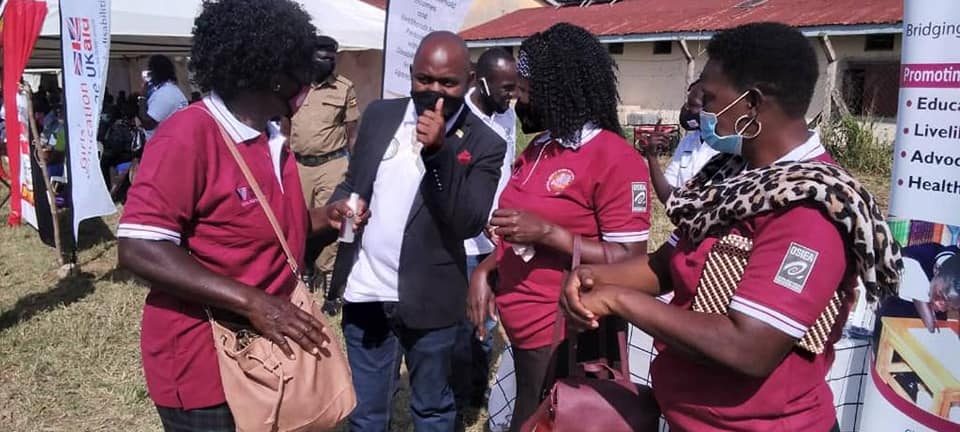
Celebrating ‘We sign for Human Rights’ is a great achievement for Ugandan Sign Language. The language is embedded in the Uganda Constitution and has led to thriving Deaf communities who are able to express themselves through Sign Language. For this matter, NUWODU commemorates thriving female Deaf staff as well as Deaf communities, and everyone appreciating the use of Sign Language as a human right.
We recognize our partners Open Society Initiative for Eastern Africa (OSIEA), Womankind Worldwide and Uganda Communications Commission, who have extended their support to ensure that Nuwodu Uganda, and Deaf people commemorate this day.